15 vs 30 Year Mortgage: Which Saves You More?
Choosing a 15 vs 30 year mortgage is really a choice between paying less interest and keeping more monthly cash. The shorter term can save six figures over a lifetime — the longer term buys flexibility. Here's the math, side by side.
By Saman Khanian
Mortgage Professional · Equitable Lending
Free consultation · No obligation · NMLS 1124483
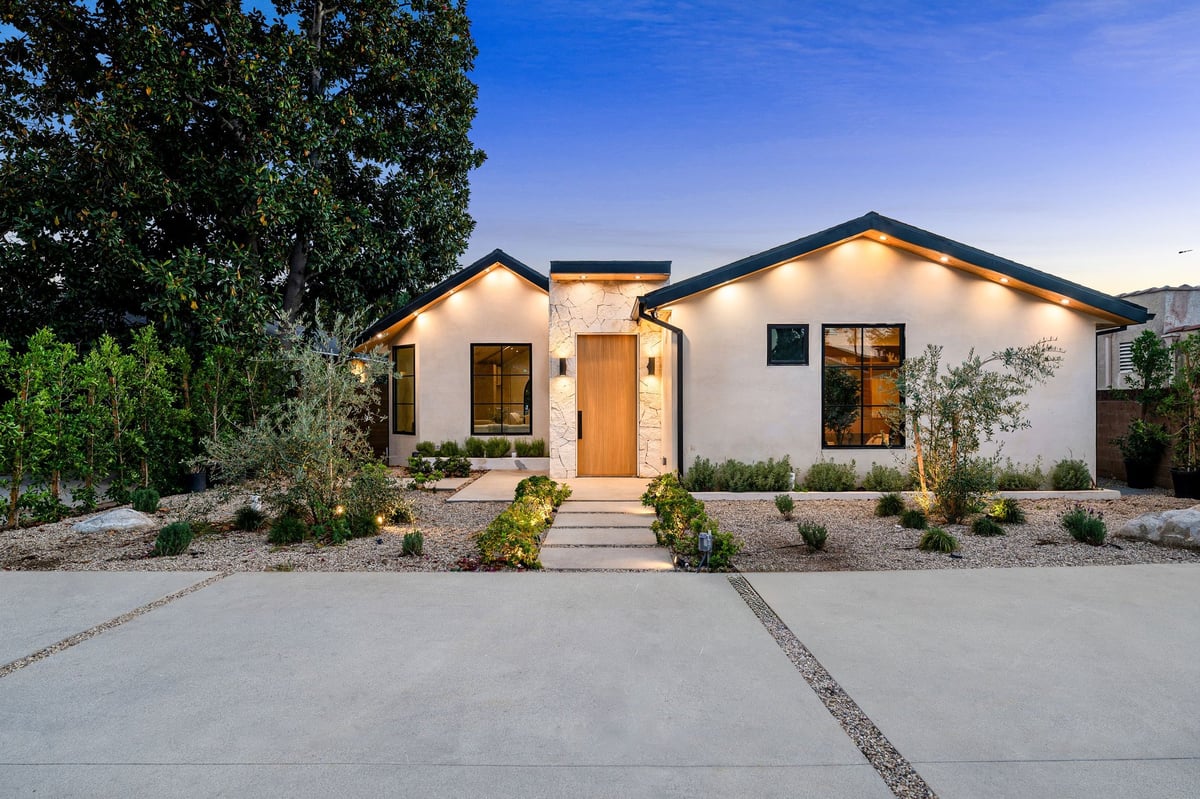
Half the time. Or twice the flexibility.
The short answer
Which saves more — and for whom?
A 15-year mortgage saves you money in two ways: you pay far less total interest, and you own the home outright in half the time. A 30-year mortgage costs more over the full term but keeps your required monthly payment lower, which preserves cash for reserves, investing and the unexpected. In short, the 15 vs 30 year mortgage decision is a trade-off between maximum interest savings and maximum monthly flexibility.
There is no universal winner. Borrowers with strong, stable incomes and fully funded emergency savings often come out ahead with a 15-year loan. Borrowers who want the lowest payment, are early in their careers, or are buying an investment property often do better with 30 years — sometimes while voluntarily paying extra toward principal.
Key takeaway: ask two questions before you choose. Can I comfortably afford the 15-year payment for 180 straight months? And does the 30-year's lower payment free cash for something that earns more than my mortgage costs? The answer to those two questions usually settles the 15 vs 30 year mortgage debate.
Monthly payment at a glance
$400,000 loan · principal & interest only · sample rates
Sample illustration only, for comparison. Your rate, payment and fees depend on credit, down payment, property, program and market conditions.
Apply Now15-year vs 30-year mortgage comparison
Side by side on the same $400,000 loan
Both scenarios use the same home, the same borrower and the same 20% down payment. The only variables are the term and the sample rate. The gap is what the 15 vs 30 year mortgage choice actually buys you.
| Measure | 15-year mortgage | 30-year mortgage |
|---|---|---|
| Term | 180 payments | 360 payments |
| Monthly principal & interest | $3,351 | $2,528 |
| Total interest paid | $203,175 | $510,136 |
| Interest saved vs. other | Saves $306,961 | Costs $306,961 more |
| Loan balance after 5 years | About $312,700 | About $370,900 |
| Loan balance after 10 years | About $201,900 | About $334,600 |
| Years carrying a mortgage | 15 | 30 |
Sample illustration for comparison only. Figures are estimates based on the rates shown and exclude property taxes, homeowners insurance, mortgage insurance and closing costs. Actual terms vary by borrower and program.
Total interest over the life of the loan
Where the 15-year mortgage savings come from
With a 30-year mortgage, roughly half of every early payment goes to interest. With a 15-year loan, far more of each payment reduces principal, so the balance drops quickly. That is why the total interest difference on a 15 vs 30 year mortgage is so large — on this example, about $307,000.
15-year mortgage
Every dollar of interest you avoid is a dollar that stays in your pocket.
30-year mortgage
The trade: a lower required payment for 30 years instead of 15.
Remaining loan balance by year
Year 0
Year 5
Year 10
Year 20
Year 30
Equity & homeownership
Faster equity means more options sooner
A 15-year mortgage doesn't just save interest — it builds home equity at almost double the pace. That matters if you plan to borrow against your home later with a cash-out refinance or a home equity line of credit, sell and roll the proceeds into another purchase, or simply want the security of owning your home free and clear.
The example below assumes the home is worth $500,000 at purchase and appreciates 3% per year. Equity combines appreciation with principal paid down — and it shows how quickly the paths separate.
The 15-year owner already owns nearly a third of the home.
The gap has widened to about $62,000.
The 15-year loan is paid off; the 30-year still has 15 years to go.
Illustrative example only. Home values can rise or fall; appreciation is not guaranteed.

Who tends to do better with each term
15-year fits if you…
- Have stable, growing income
- Already fund an emergency reserve
- Plan to stay long term
- Value being debt-free sooner
30-year fits if you…
- Want the lowest required payment
- Need cash flow for other goals
- Are buying an investment property
- Prefer optional extra principal payments
Interest rates & eligibility
What moves the rate — and what lenders review
A shorter term usually carries a lower rate because the lender's risk period is shorter. That rate advantage, plus fewer payments, is the core reason the 15-year mortgage saves money. But eligibility is judged on the full payment, so the higher monthly cost can matter as much as the rate.
What lenders evaluate
Income and debt-to-income (DTI)
Lenders compare your new mortgage payment plus other debts against your income. A higher 15-year payment uses more of that ratio, which can reduce the loan amount you qualify for.
Down payment
Both terms are generally available with conventional, FHA, VA and jumbo programs. The minimum down payment is set by the program, not the term.
Credit profile and reserves
Stronger credit can lower the rate on both terms. Lenders may also want to see cash reserves after closing — a particularly important consideration with a bigger 15-year payment.
Property type and purpose
Primary residences, second homes and investment properties may each carry different pricing and guidelines. The term you choose should fit the property's purpose.
Fair warning about “cheapest”
The lowest-rate loan is not always the lowest total cost. Closing costs, mortgage insurance, discount points and program fees differ by loan type and lender. Compare the full picture, not just the rate line.
- Ask for a Loan Estimate on each scenario.
- Confirm how much cash you need at closing.
- Make sure the 15-year payment leaves room in your budget.
Still deciding between 15 and 30 years?
A licensed loan officer at Equitable Lending can model both payments on your actual numbers — free, with no obligation.
Keep learning with Equitable Lending
More tools and guides to help you plan your next mortgage decision.
Mortgage purchase loans
How a purchase loan moves from pre-approval to closing.
Refinance loans
When changing your term or rate makes financial sense.
Mortgage calculators
Run your own payment and amortization numbers.
How amortization works
Why early payments are mostly interest — on either term.
Biweekly payments
One way to pay off a 30-year loan faster.
Understanding PMI
How mortgage insurance works on lower-down-payment loans.
FHA & VA loans
Government-backed programs available in both terms.
Debt-to-income ratio
The ratio lenders use to size your 15-year payment.

Practical ways to choose
Three strategies that beat either term alone
1. Take the 30-year and pay extra
Make the 15-year payment on a 30-year loan. You keep the flexibility to drop back to the lower required payment, while paying the balance down much faster. On a $400,000 loan at 6.5%, adding the extra principal repays the 30-year loan in about 16 years and 9 months.
2. Use a biweekly payment schedule
Paying half the monthly payment every two weeks results in 26 half-payments a year — effectively one extra monthly payment. It shortens the term and cuts interest without changing your monthly budget much. Not every servicer offers biweekly billing, so confirm the terms first.
3. Pick the payment that lets you invest
If your priority is keeping cash moving into retirement accounts, a business or a higher-yield investment, the 30-year mortgage's lower payment may be the better play. The 15 vs 30 year mortgage choice can change as your income and goals change.
Beyond 15 and 30 years
How other loan choices compare to the 15 vs 30 year mortgage decision
The term is only one part of your loan. If you're weighing a 15 vs 30 year mortgage, these related decisions may matter just as much.
Fixed vs. adjustable rate
A fixed 15- or 30-year loan locks your rate for the whole term. An adjustable-rate mortgage offers a lower starting rate with a fixed period, then adjusts — useful for shorter ownership horizons.
Shorter term vs. HELOC
Feeling the pinch of a 15-year payment? A home equity line of credit can fund projects without refinancing — but be careful about taking on more debt at a higher rate.
Investment property terms
Investors often pair a 30-year term with DSCR or other investor programs to protect cash flow. A 15-year term reduces leverage and raises the required rent coverage.
Frequently asked questions about 15 vs 30 year mortgages
The questions our borrowers ask most often.
Written by
Saman Khanian
Mortgage professional at Equitable Lending, helping homebuyers and refinancers choose loan terms, programs and rates that fit their financial goals across Los Angeles and nationwide.
See the 15 vs 30 year mortgage numbers on your real scenario.
Share your loan amount and budget, and we'll show you both payments side by side — plus what each means over time. Mortgages made easy.
Free consultation · No obligation · NMLS 1124483 · DRE 01941713
Disclosure: This article is for educational purposes only and is not financial, tax or legal advice. All rates, payments, balances and interest figures shown are hypothetical illustrations used for comparison; they are not a quote or an offer to lend. Loan eligibility and approval depend on lender underwriting guidelines and each borrower's qualifications. Programs, rates and terms are subject to change without notice. Verify current rates with a licensed loan officer before making a decision.
Equal Housing Opportunity. Equitable Mortgage & Realty, Inc. dba Equitable Lending · NMLS 1124483 · CA DRE 01941713 · 2824 S. Robertson Blvd., Los Angeles, CA 90034.